As reported by Magnolia Tribune, State Senator Jeremy England said after the Mississippi Legislature passed the Strengthen Mississippi Homes Act this spring, "Lower insurance rates for homeowners are right around the corner," calling it "one of the unheralded wins of the 2026 legislative session."
He's not wrong about the mechanism. A stronger roof really can lower a Mississippi Gulf Coast insurance bill by a meaningful margin. For a house inside Old Town's local historic district, the roof has to clear two approval processes that run on different timelines.
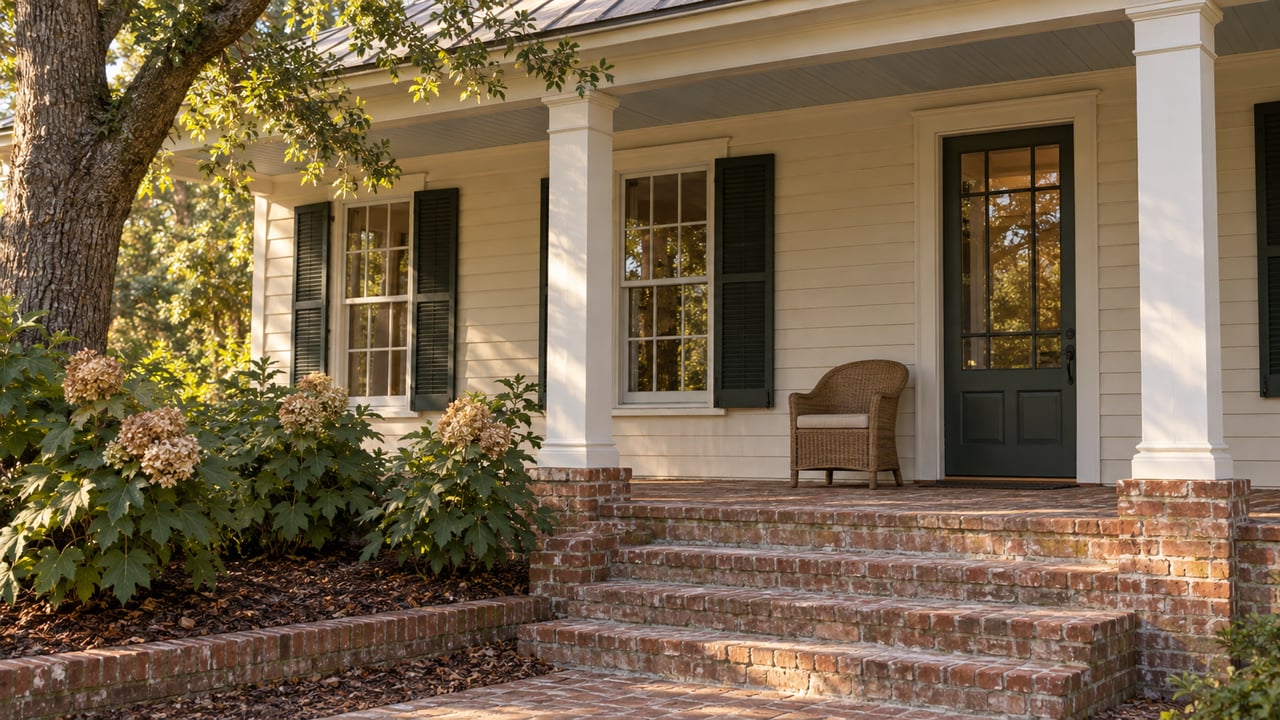
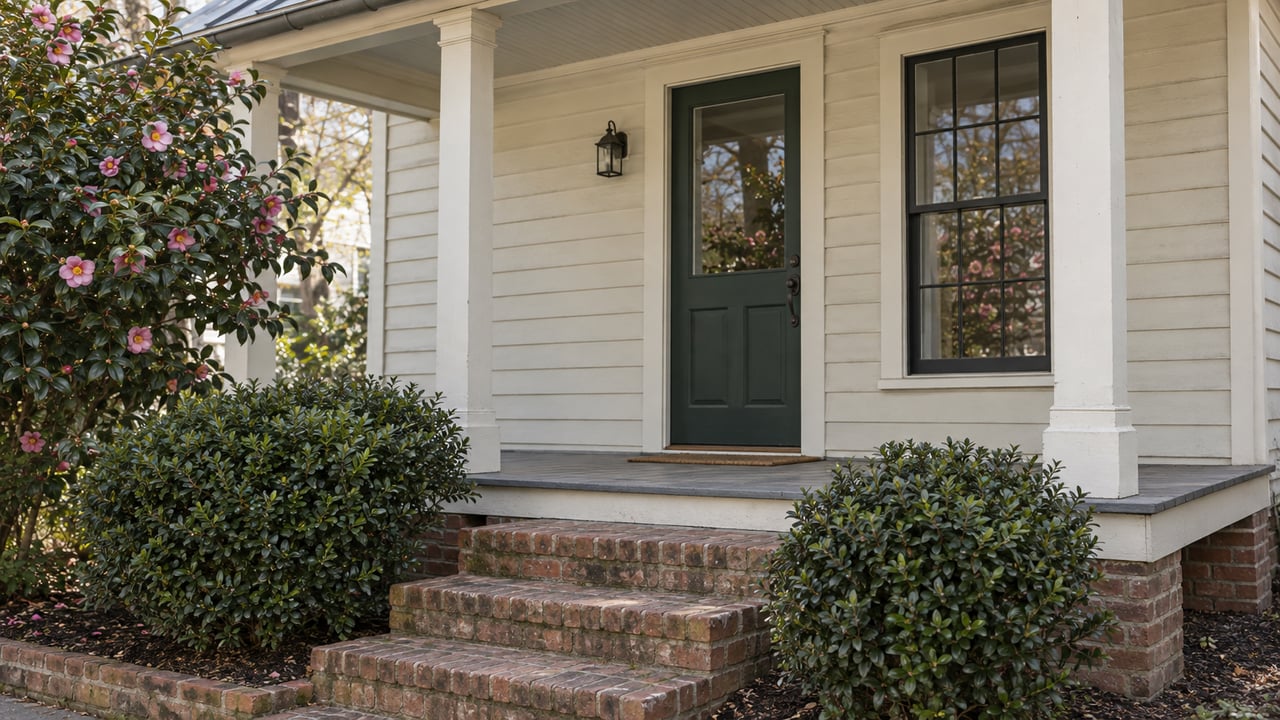
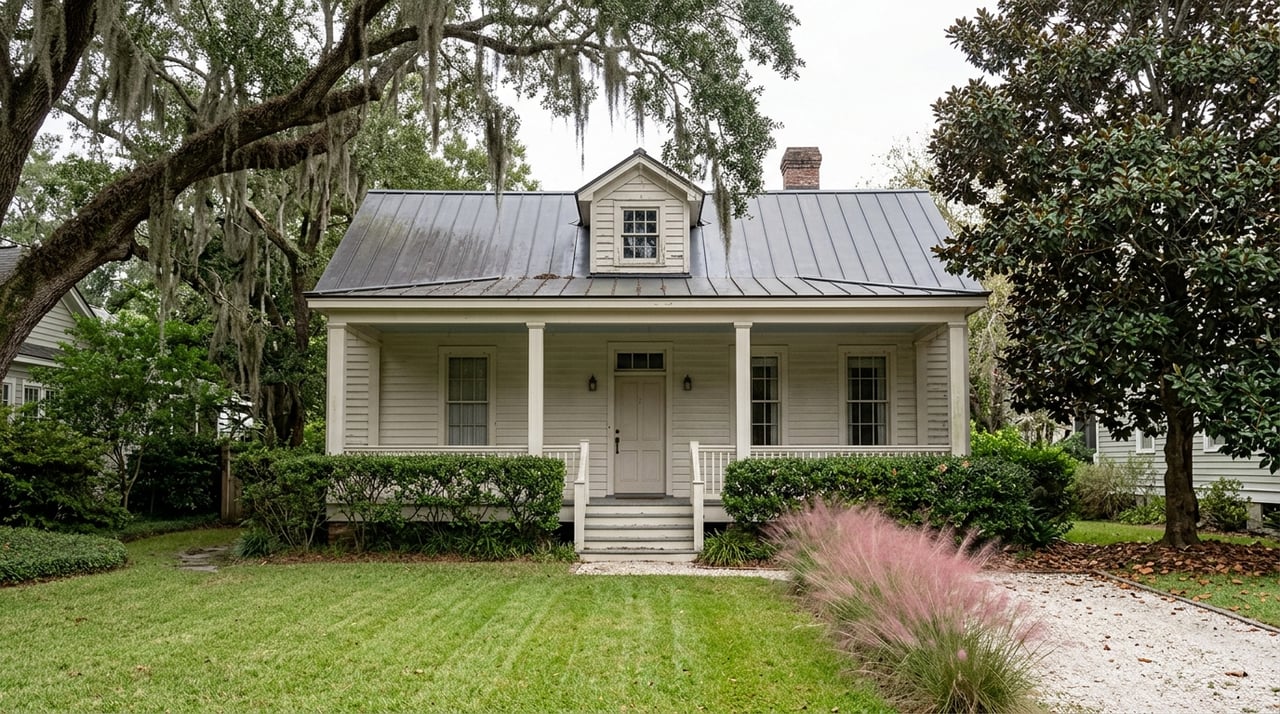
That's the part worth understanding before you write an offer on a raised cottage near the bayfront, or assume a FORTIFIED reroof inside the district will follow the same timeline as one three blocks north of the district line.
Three Types of Coverage for a Coastal Home
Bay St. Louis sits in Hancock County, one of the six coastal counties served by the Mississippi Windstorm Underwriting Association, the state-created insurer of last resort for wind and hail coverage. Most standard homeowners policies on the coast exclude wind damage outright, which means a typical owner here isn't managing one insurance bill. They're managing three: a standard policy for fire, theft, and liability; a separate wind and hail policy, usually through the MWUA; and flood coverage through the National Flood Insurance Program or a private carrier, since flood damage from rising water isn't covered by either of the other two.
According to Home Data Reports, stacked together, those three policies can push combined annual costs past $12,000 for coastal Mississippi homeowners. That number isn't a scare tactic. It's the reason a buyer comparing a listing in Bay St. Louis to one on the Northshore needs to price all three coverages before deciding what the house actually costs to hold, not just what the mortgage payment looks like.
What Changed on January 1
According to Insurance Business, the MWUA raised windpool rates by 16 percent effective January 1, 2026, a hike Insurance Commissioner Mike Chaney had flagged months in advance. For anyone already carrying a wind policy through the pool, that increase has been showing up on renewals since the start of the year. For anyone shopping a purchase now, it's baked into whatever quote a local agent hands you.
The state's answer to rising rates is the roof itself. Smart Home America reports that a home certified to the IBHS FORTIFIED Roof standard can qualify for insurance discounts of 12 to 55 percent off the wind portion of a premium. MWUA policyholders who suffer roof damage of 50 percent or more in a covered claim can even have their roof rebuilt to FORTIFIED standards for free as part of the claim. That's a real number, and it's the reason FORTIFIED has become the phrase agents and adjusters up and down the coast keep repeating.
The New Grant and Its Current Eligibility Rules
Senate Bill 2409, the Strengthen Mississippi Homes Act, gives that standard a funding source. The Mississippi Insurance Department now administers a grant program that pays up to $10,000 toward a FORTIFIED roof retrofit, and According to Southern Home Improvement, the MWUA itself is putting up $2 million to fund the first phase.
The first phase has limited eligibility. According to FORTIFIED Inspections, to qualify right now, a home has to be in Hancock, Harrison, or Jackson County and insured through the MWUA continuously for three consecutive policy years. A broader statewide rollout that would open the program to more homeowners is expected sometime in early 2027, but for now, this is a Hancock County program as much as it's a state one, and Bay St. Louis owners are squarely inside the first eligible group.
Where Old Town Adds a Second Line of Review
Here's the part that doesn't show up in any of the insurance department's guidance, because it's a city matter, not a state one.
Old Town Bay St. Louis is a local historic district, and the city's Historic Preservation Commission reviews exterior work on properties inside it, including roof material changes. According to the city's own published guidance, a homeowner needs a Certificate of Appropriateness for that kind of project, the same way any other major repair requires a building permit. The commission isn't trying to make anyone's roof look more historic than it already is. Its stated goal is simply that new work fit the existing character of the district, not replicate it exactly.
That's a reasonable ask, and it doesn't prevent a FORTIFIED retrofit from happening. What it does is add a step, and a timeline, that has nothing to do with the insurance side of the project. The FORTIFIED process runs through an independent evaluator who documents the work for IBHS certification. The historic district process runs through city staff and, for anything more involved, the commission itself. Those two reviews aren't coordinated, and nothing requires them to move at the same pace.
For a homeowner outside the historic district boundary, a FORTIFIED reroof is one approval process: pick a qualified contractor, schedule the evaluator, get certified. For a homeowner inside Old Town, it's two, and the second one can't be skipped just because the first one is insurance-driven.
Before you sign a roofing contract on a property in Old Town, it's worth confirming a few things up front:
- Whether the parcel sits inside the local historic district boundary
- Whether the proposed roofing material and installation details have already been reviewed informally by city planning or preservation staff before a contractor shows up
- How long a Certificate of Appropriateness typically takes to clear for a roof project specifically
- Whether your MWUA policy has already run three consecutive years, since that's the eligibility clock for the current grant phase, separate from any city timeline
What This Means If You're Comparing Neighborhoods
If you're weighing an Old Town cottage against a comparable house a few blocks outside the historic line, the insurance math looks similar on paper. The FORTIFIED discount is the same percentage range either way. The grant eligibility rules are the same either way.
What differs is how fast you can actually capture that discount once you own the house. A roof project outside the historic district can move as quickly as your contractor's schedule allows. One inside it moves at the pace of two separate approval processes, and the second one is entirely local. It's exactly the kind of detail worth asking a local agent about before you fall for a porch and a metal roof that turns out to sit inside a boundary you didn't know existed.
None of this makes Old Town a harder place to own. It makes it a place where the timeline on your insurance savings depends on a city board. Knowing that before closing, rather than after, can help you plan the project timeline.
If you're comparing Old Town against other Bay St. Louis neighborhoods, or Bay St. Louis against the Northshore altogether, Gina Constantino can walk through what a specific property's insurance and permitting picture actually looks like before you write an offer. Let's Connect.
This article is general information, not legal, tax or financial advice. Consult a qualified professional about your situation.