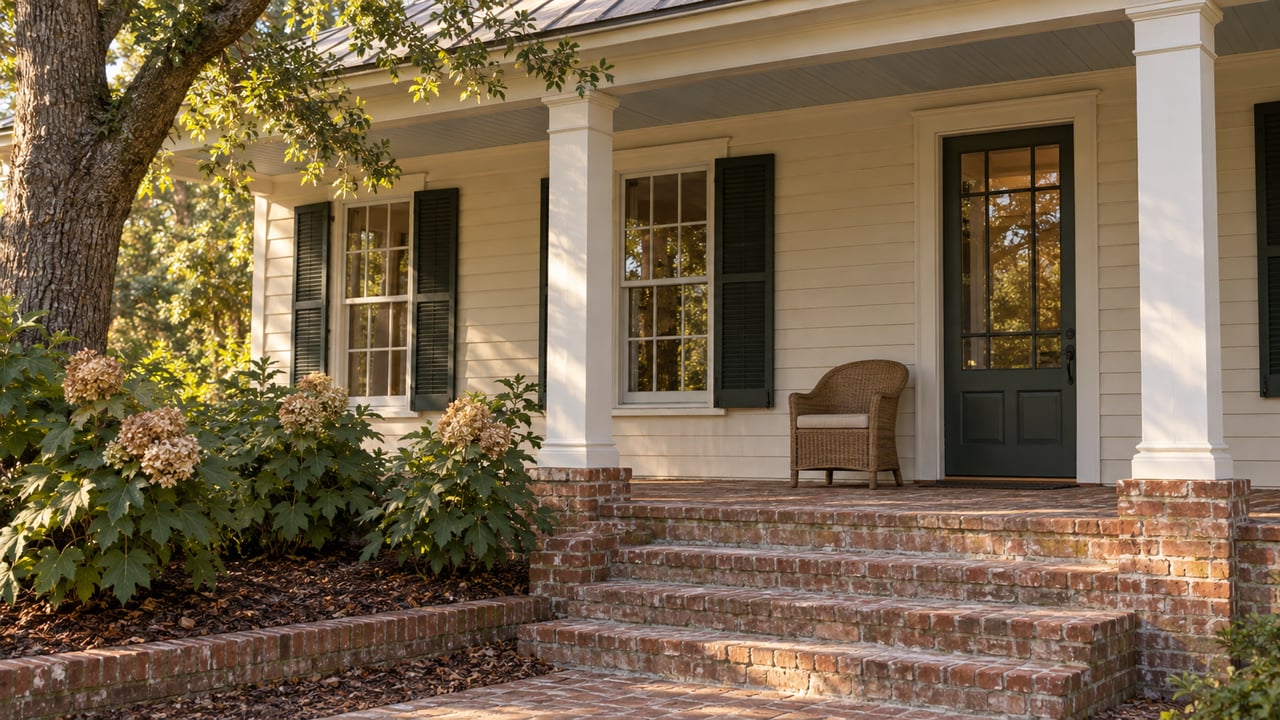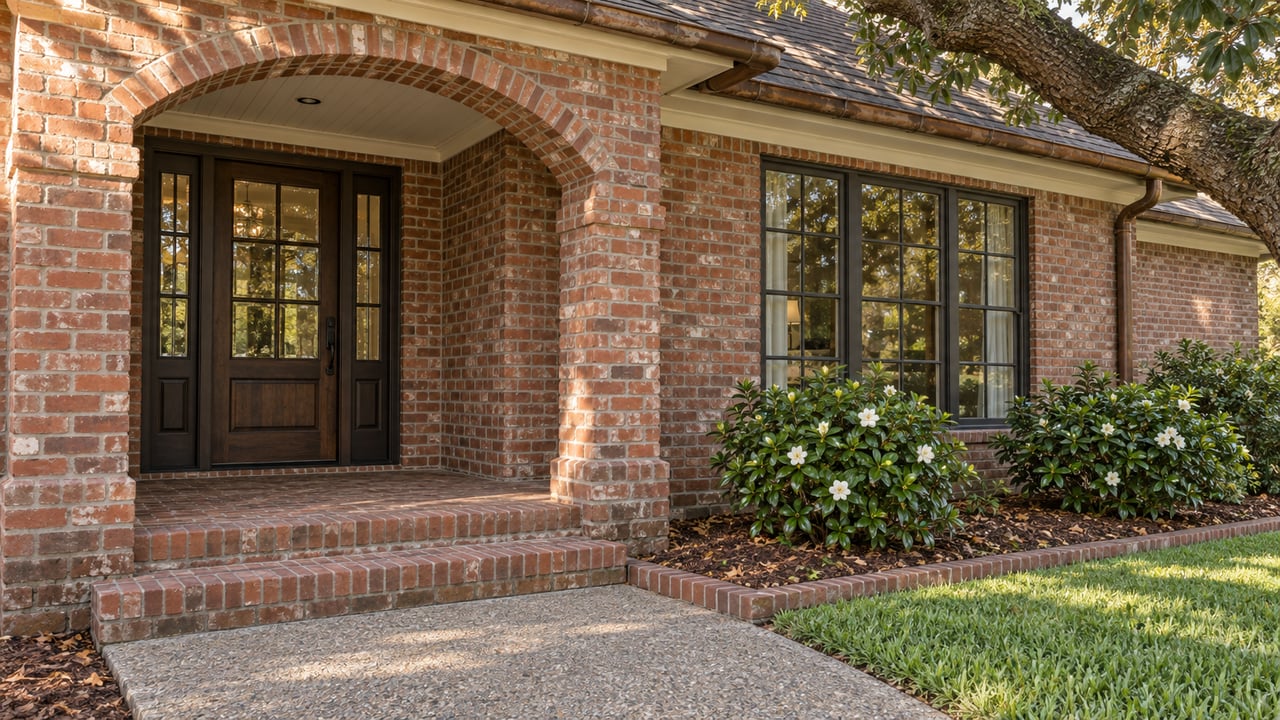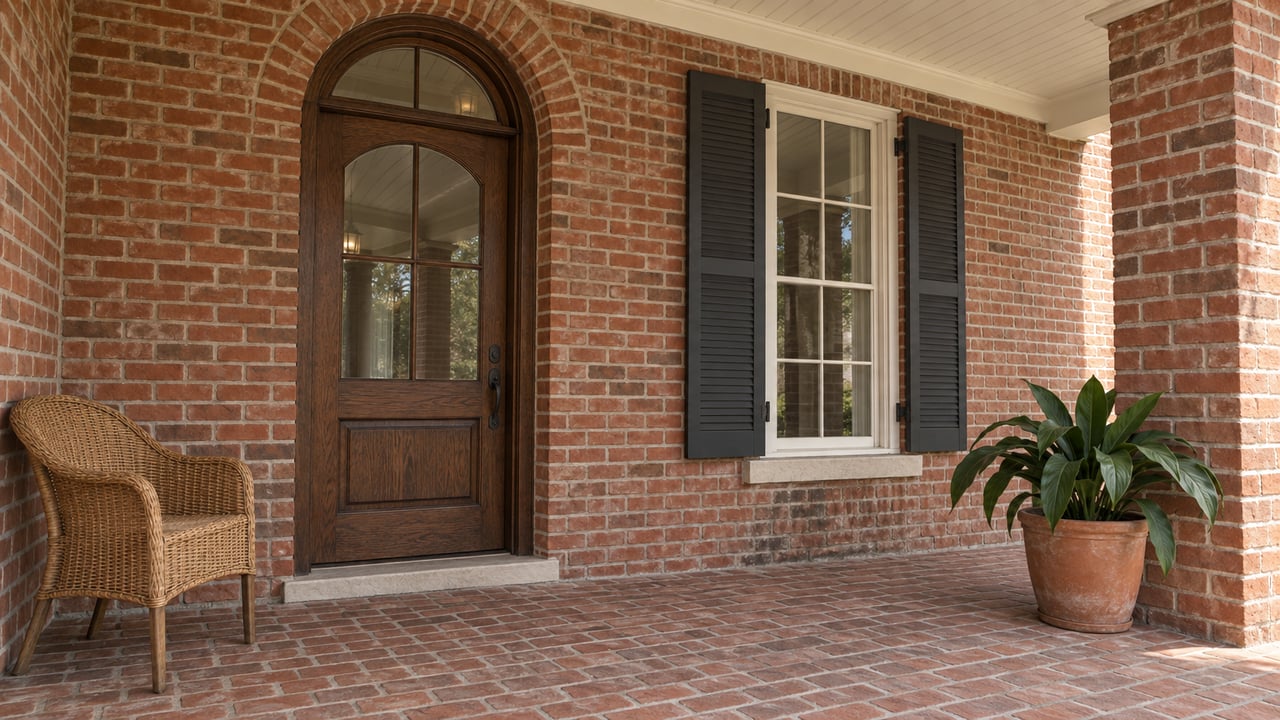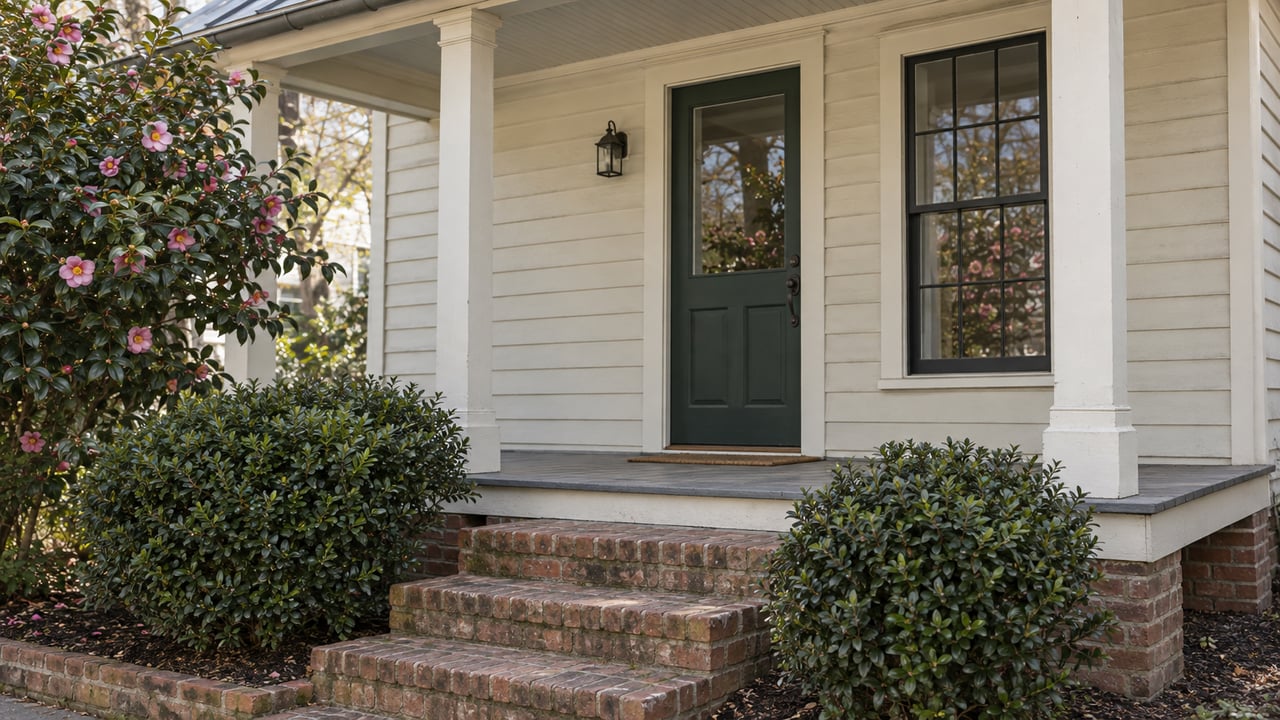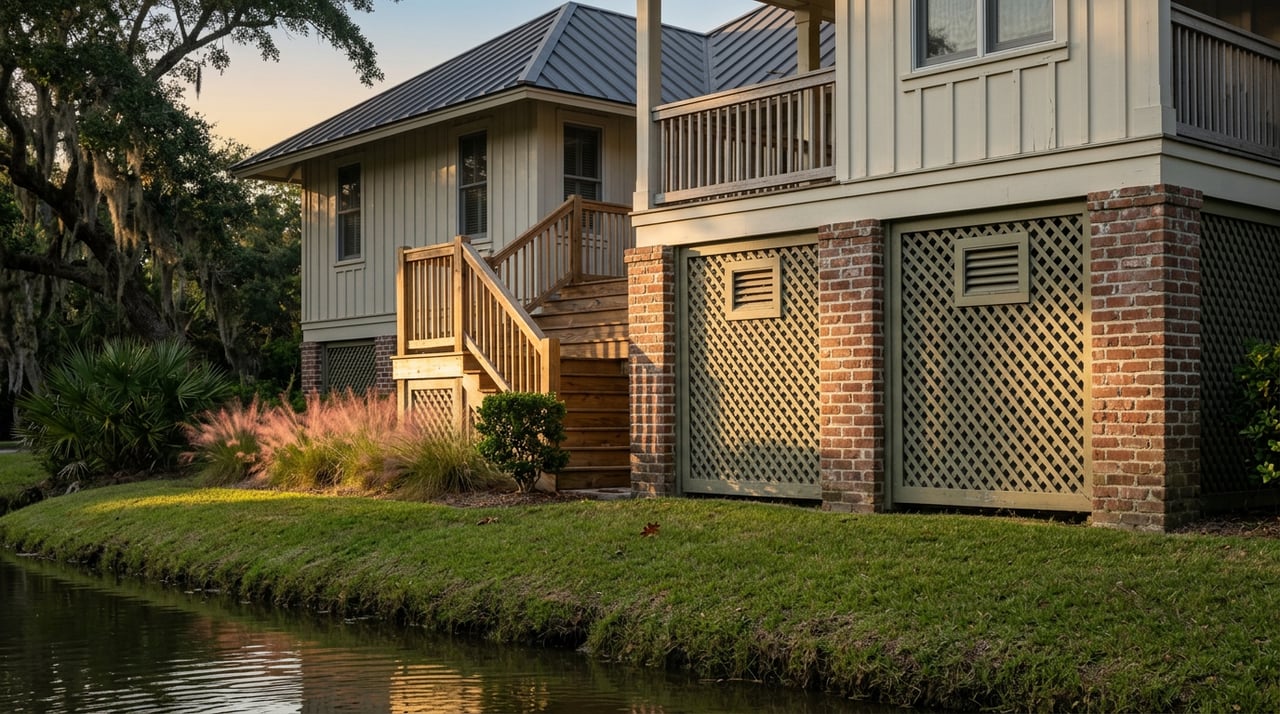
Scroll through active listings in Eden Isles, Oak Harbor, or Clipper Estates this month and you will notice something the listings themselves seem eager to point out: a specific flood insurance premium, followed by the word "assumable." One canal home advertises a policy under $2,000 a year. A few doors down, a similarly sized property quotes $808. Another lists $1,510. These are not random footnotes. Sellers are highlighting them because, right now, that number can be worth more to a buyer than square footage or a new roof.
Here is the part that surprises most buyers moving into Slidell's waterfront neighborhoods: the flood zone printed on the listing sheet, whether it says AE or VE or X, no longer determines what you will actually pay. What determines it is whether you can inherit the seller's policy or whether you are starting one from scratch. Two houses on the same canal, in the same zone, built the same year, can carry a $1,000 gap in annual premium because one buyer got to assume a legacy rate and the other did not.
What changed, and why the flood zone stopped being the whole story
For decades, NFIP pricing worked the way most people still assume it works: your zone on the Flood Insurance Rate Map set your bracket, and your bracket set your premium. That changed when FEMA fully implemented a new pricing system called Risk Rating 2.0 on April 1, 2023. Under that system, premiums are calculated from an individual property's specific features rather than its zone classification alone, including distance from water, flood frequency, foundation type, height above base flood elevation, and the cost to rebuild the structure.
Slidell's flood risk was never one-dimensional to begin with. The city has said plainly that flooding here comes from hurricane storm surge, from back flooding of Bayou Bonfouca when Lake Pontchartrain is already full, and from drainage systems that simply get overwhelmed during heavy rain. Three different flooding mechanisms hitting the same low, flat footprint. Risk Rating 2.0 was built to price that kind of layered risk property by property instead of averaging everyone in a zone together. That is a fairer system in theory. In practice, it means the map on the wall at the parish office tells you less about your bill than the elevation certificate in the seller's file.
The gap this actually creates
The scale of the swing is not theoretical. Speaking to KTAL News this year about a proposed federal transparency bill, one Louisiana homeowner described his own premium rising modestly while, in his words, "our neighbor across the street here, starting out at, like, $635 and right now it's like $2,100."
Same street. Same flood exposure, more or less. A more than threefold difference in what each household pays every year, driven by the specific characteristics FEMA now scores individually rather than by ZIP code or zone letter.
That is exactly the pattern showing up in Slidell's canal subdivisions. A home built with oversized pilings and hurricane straps, elevated well above grade, with no flood history, can land near $800 a year. A similar footprint with a lower foundation or an older flood claim on record can land at $1,900 or higher. The subdivision name on the sign does not explain the gap. The elevation certificate does.
Why "assumable" is the word doing the real work
This is where the mechanism gets interesting for anyone actually buying or selling on the water here. Under Risk Rating 2.0, the Congressional Research Service says properties that were paying below their full risk-based rate are being moved toward that rate gradually, with annual increases on primary residences limited to 18 percent per year until the policy reaches full actuarial pricing. A brand-new policy, by contrast, starts at the full risk-based rate immediately. There is no glide path for a fresh start.
That distinction is the entire reason sellers are printing their premium in the listing description. If a buyer can assume the seller's existing NFIP policy rather than opening a new one, that buyer inherits the seller's rate and the seller's place on the capped glide path, rather than jumping straight to whatever the full risk-based number for that address happens to be. According to the Association of State Floodplain Managers, homebuyers may be able to assume the seller's existing NFIP policy when a property changes hands, which is precisely the option Eden Isles sellers are marketing when they advertise a specific assumable dollar figure.
| New policy at purchase | Assumed policy from seller | |
|---|---|---|
| Starting rate | Full risk-based rate, effective immediately | Seller's current rate, whatever stage of the glide path they were on |
| Annual increase cap | For primary residences, subject to the annual cap described above going forward | For primary residences, subject to the annual cap described above |
| What it depends on | The property's individual risk score alone | The property's risk score, plus how long the seller has held that policy |
The practical upshot: an assumable policy quoted at $808 a year is not simply a cheap bill. It is a locked position on a pricing curve that a brand-new applicant for that same house cannot access. Buyers comparing two otherwise identical canal homes should treat the assumable premium the way they would treat an assumable mortgage rate below market, because functionally, that is what it is.
The deadline that makes this worth handling now
There is a second layer of urgency that has nothing to do with any individual house. Congress must reauthorize the NFIP by 11:59 p.m. on September 30, 2026, or the program loses its authority to write new policies. This is not a new drama. The program has been extended through 35 short-term reauthorizations since the end of fiscal year 2017. But the most recent lapse was not abstract. A 43-day lapse in late 2025 stalled new policy issuance and renewals nationally, and the estimated effect was roughly 1,300 home sale closings delayed or disrupted per day while the program sat unauthorized.
What to actually ask for
If you are looking at waterfront property in Slidell this year, a few questions belong on your list before you write an offer:
- Ask whether the current flood policy is assumable and get the exact annual premium in writing, not a verbal estimate.
- Request the elevation certificate directly, since that document, not the flood zone, is what set the seller's rate in the first place.
- Confirm how long the seller has held the policy, since a longer-held policy has had more time to move through its capped glide path and may sit closer to the full risk-based rate.
- If you cannot assume the policy, get a private flood insurance quote alongside an NFIP quote before closing. Private carriers sometimes beat NFIP pricing for elevated, lower-risk structures, and Louisiana's Act 323 of 2018 opened that market specifically to give homeowners more than one option.
A few questions worth answering plainly
Does the flood zone on the listing matter at all anymore? It still matters for federally backed mortgages. It just no longer determines how much that insurance costs. That number now comes from the property's individual elevation, foundation, and claims history.
The houses along Bayou Bonfouca and the canals off Lake Pontchartrain have always asked buyers to think carefully about water. What is new is that the paperwork now matters as much as the property. If you are weighing a purchase in Eden Isles, Oak Harbor, or anywhere else on Slidell's waterfront, Gina Constantino can help you read a listing's insurance details for what they actually mean, not just what they say. Let's Connect.
This article is general information, not legal, tax or financial advice. Consult a qualified professional about your situation.